
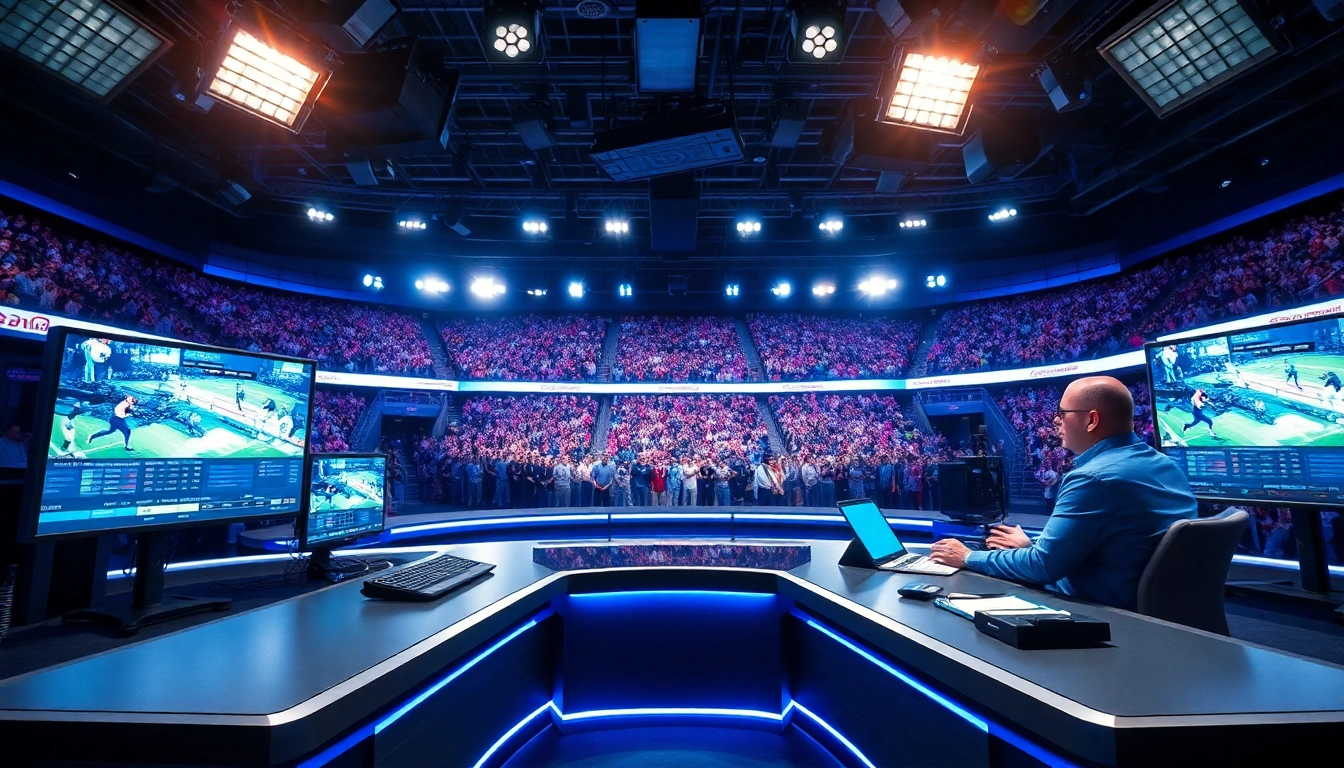
Understanding the Landscape of Sports Broadcasting
Sports broadcasting has evolved into a multifaceted ecosystem that reflects the dynamic nature of consumer preferences and technological advancements. As fans increasingly demand flexible viewing options, the landscape is continuously adapting to accommodate modern needs. To delve into this ever-changing field, it’s essential to examine the key trends, the technological influences, and the growing market demand surrounding Sports Broadcasting.
Key Trends Shaping Sports Broadcasting
Several key trends are currently directing the trajectory of sports broadcasting. Among these, personalized content delivery, the rise of on-demand viewing, and innovative engagement techniques stand out. Subscribers increasingly favor tailored experiences where they can follow their favorite athletes or teams, particularly through platforms that offer multi-angle and immersive viewing experiences.
In addition, as more audiences turn to mobile devices for their sports content, broadcasters are prioritizing mobile optimization. Live streaming options are becoming the norm, and social media interactions create a 24/7 sports conversation that keeps fans engaged even outside traditional broadcast windows.
The Role of Technology in Modern Sports Broadcasting
At the forefront of sports broadcasting innovation is technology. High-definition streams, 4K resolution, and virtual reality experiences are becoming mainstream, enhancing the viewer’s experience significantly. Technologies such as augmented reality (AR) and artificial intelligence (AI) are reshaping how audiences engage with sports. AR can provide real-time statistics overlaid on the game, while AI algorithms offer personalized content recommendations to viewers.
Moreover, cloud computing has facilitated the transition to remote productions, allowing broadcasters to create high-quality broadcasts without being constrained to physical studios. This flexibility not only reduces costs but also enhances accessibility for varied content creators.
Market Demand and Audience Preferences
Understanding market demand is critical for anyone looking to navigate the sports broadcasting industry. Research indicates younger demographics are shifting away from traditional cable subscriptions in favor of digital platforms. They prefer services that offer flexibility, interactivity, and a community experience around sports. The popularity of short-form content, especially among Gen Z and millennials, necessitates rapid adaptation among broadcasters. Live polls, fan chats, and video snippets that resonate with these viewers can significantly enhance engagement.
Creating Compelling Sports Content
Strategies for Storytelling in Sports Broadcasting
In sports broadcasting, storytelling is as vital as the game’s action itself. Engaging narratives involving athletes, historic rivalries, and underdog triumphs can captivate viewers and encourage loyalty. Effective strategies include developing character arcs for athletes, integrating behind-the-scenes footage, and humanizing sports stars to connect emotionally with audiences. This creates an environment where every game is more than just a scoreboard; it’s about the shared human experience.
Engagement Techniques for Live Events
As live sports events are inherently dynamic, engagement techniques must be innovative. Broadcasters can utilize interactive elements like fan votes for player of the match or live Q&A sessions with analysts and commentators. Integration of multi-screen options, allowing viewers to select different camera angles or access real-time stats, enriches their experience. Engaging fans through community apps where they can chat and interact during games can create a vibrant spectator ecosystem.
Visual and Audio Enhancements to Attract Viewers
Quality is paramount in attracting viewers, especially in an age where competition for attention is fierce. Broadcasters are now employing visual enhancements such as slow-motion replays, drone camera shots, and even augmented reality for enhanced venue experiences. Similarly, audio elements like immersive surround sound and commentary featuring expert analysts can significantly elevate the standard of broadcasts, making events feel more alive and engaging for the audience.
Distribution Channels in Sports Broadcasting
Emerging Platforms for Live Sports Coverage
Emerging platforms have revolutionized the way live sports coverage is distributed. Digital-only networks and platforms specializing in sports content delivery, including subscription-based models, are growing rapidly. New services often enable niche content targeting specific audience interests, such as e-sports or international sports leagues. This diversification of platforms harbors opportunities for broadcasters to reach untapped audiences while adapting to their viewing habits.
Traditional vs. Digital Broadcasting Strategies
While traditional broadcast strategies focus primarily on cable and satellite distribution, digital broadcasting encompasses a broader range of delivery methods. The success of digital strategies often hinges upon flexibility, multi-device viewing capability, and interactive content. Broadcasters must find an equilibrium between traditional and digital platforms to create comprehensive strategies that meet diverse viewer needs without losing audience engagement.
Social Media’s Impact on Sports Broadcasting Reach
Social media has transformed the broadcasting landscape, amplifying reach in unprecedented ways. Platforms like Twitter, Facebook, and Instagram play crucial roles in engaging fans and distributing highlight reels, behind-the-scenes content, and real-time game updates. Creating viral moments through shareable content significantly extends the reach and accessibility of live broadcasts. Social media also fosters direct interaction with audiences, providing critical feedback loops and insights into viewer behavior.
Regulatory Considerations in Sports Broadcasting
Licensing and Copyright in Sports Content
Licensing and copyright issues are critical components that sports broadcasters must navigate. Rights to air games, use footage, and share content require negotiation with various stakeholders, including leagues and player associations. An understanding of these legal frameworks is crucial for sustainable content production, as the failure to secure necessary rights can lead to legal disputes and financial setbacks.
Compliance with Broadcasting Standards
Compliance with broadcasting standards is vital as regulators enforce specific guidelines to ensure fair competition and consumer protection. Broadcasters must adhere to these guidelines concerning content accuracy, public service obligations, and ethical standards. Failure to comply can result in penalties or the loss of broadcasting rights.
International Rights and Regulations
With the globalization of sports, understanding international rights and regulations is increasingly imperative. Different countries have unique broadcasting rights laws and policies affecting content distribution. Broadcasters aiming for global reach must collaborate with local entities to navigate these complexities, ensuring compliance while maximizing distribution opportunities.
Measuring Success in Sports Broadcasting
Key Performance Indicators for Broadcasters
Measuring success in sports broadcasting hinges on various Key Performance Indicators (KPIs), including viewership numbers, subscription rates, and advertising revenues. Key metrics such as average watch time, user engagement, and loss-driven metrics provide insights into content performance and viewer satisfaction. These KPIs guide strategic decisions that can enhance future broadcasts.
Audience Engagement Metrics
In addition to viewership numbers, audience engagement metrics such as social media interactions, live polls participation, and viewer feedback are critical indicators of a broadcast’s impact. Metrics derived from these interactions can uncover viewer preferences and behaviors, enabling broadcasters to tailor content and enhance future engagement efforts.
Adapting Strategies Based on Viewer Feedback
Incorporating viewer feedback into broadcasting strategies is essential for continuous improvement. Feedback mechanisms, including surveys, focus groups, and online reviews, provide valuable insight into audience preferences and expectations. Successful broadcasters utilize this input to refine their content, adjust engagement strategies, and innovate while aligning with their audience’s needs.
FAQs About Sports Broadcasting
What is sports broadcasting?
Sports broadcasting refers to the live or recorded transmission of sports events through various media formats, including television, radio, and digital platforms.
How has technology changed sports broadcasting?
Technology has introduced high-definition and virtual reality viewing, enhanced engagement through interactive elements, and enabled remote productions, greatly improving viewer experiences.
What are some key trends in sports broadcasting?
Key trends include the demand for personalized content, mobile optimization, and the integration of social media to boost fan engagement and broaden reach.
What role does social media play in sports broadcasting?
Social media enhances reach by distributing highlights and engaging fans, fostering interaction and feedback, thus creating a vibrant community around sports.
How can broadcasters measure success?
Success can be measured through KPIs such as viewership numbers, audience engagement metrics, and revenues from subscriptions and advertising, guiding content strategies effectively.