
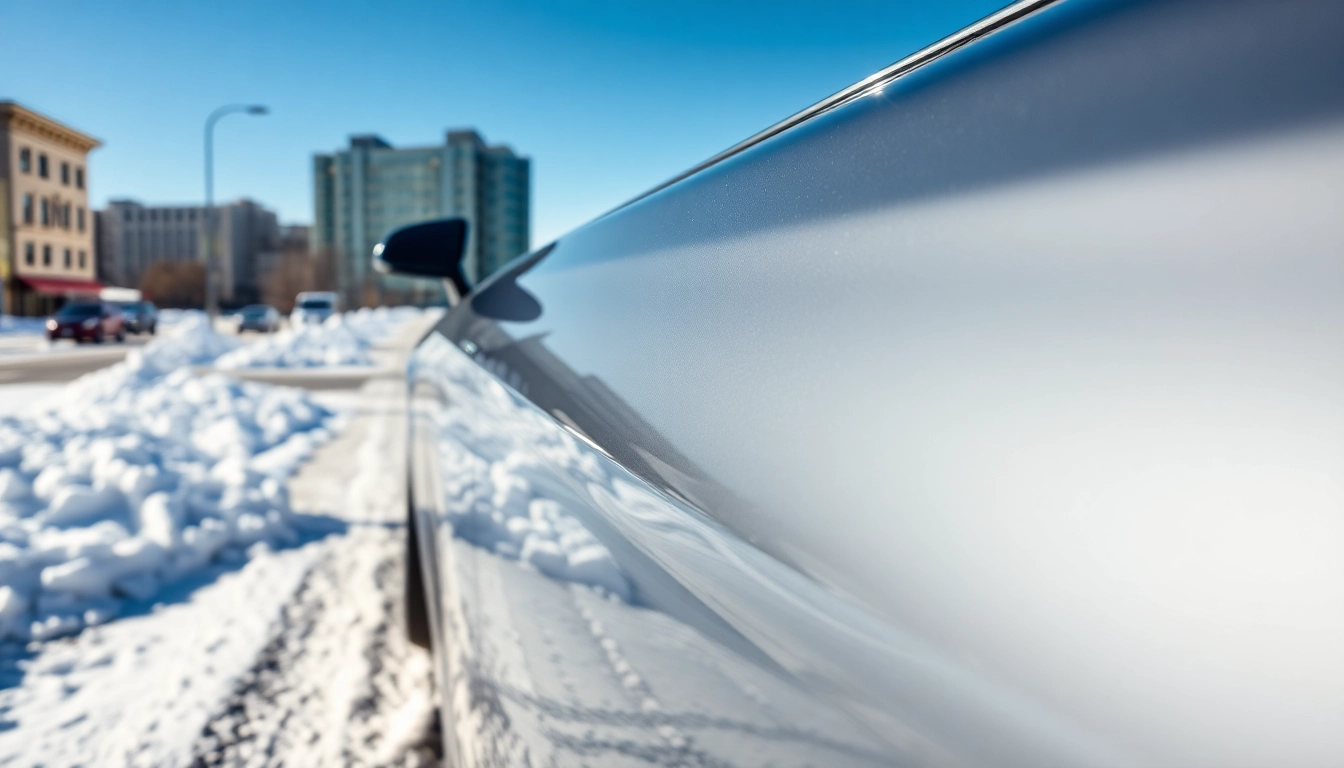
Understanding PPF Winter Road Salt Protection
What is PPF?
Paint Protection Film (PPF) is a transparent, durable thermoplastic urethane film that is applied to various surfaces of a vehicle, primarily the paint, to protect it from damage, stains, and environmental hazards. PPF serves as a barrier against scratches, chips, and other forms of wear and tear, maintaining the vehicle’s aesthetic and value over time. Its application can significantly enhance the longevity of a vehicle’s exterior, making it a preferred solution for car enthusiasts and owners alike, especially in regions where winter road salt is prevalent.
Importance of Road Salt Protection
Road salt is a common substance used to fight winter slicks, but it poses severe risks to vehicles on the road. It can lead to rust and corrosion if not adequately managed. The application of PPF winter road salt protection is crucial for any vehicle owner living in areas subjected to heavy snowfall or ice. By utilizing PPF, car owners can significantly minimize the adverse effects of road salt, preserving the paint and preventing costly repairs and degradation.
Benefits of Using PPF
The application of PPF offers numerous benefits, particularly for winter protection. Some key advantages include:
- Enhanced Protection: PPF acts as a shield against abrasions, chips, and scratches from road debris, ensuring that your car’s exterior remains pristine.
- Corrosion Resistance: An effective barrier against corrosive elements like road salt helps prevent rust and extends the life of your vehicle.
- Self-Healing Properties: Many modern PPFs feature self-healing technology, allowing small scratches and swirls to disappear over time when exposed to heat.
- UV Protection: PPF provides a layer of protection against harmful UV rays, preventing paint from fading and yellowing.
- Maintain Resale Value: By preserving the vehicle’s paint and structure, PPF can help maintain or even enhance a vehicle’s resale value.
How Road Salt Affects Vehicles
Corrosive Nature of Road Salt
Road salt is primarily composed of sodium chloride, which is highly corrosive. When salt comes in contact with metal surfaces, it creates a chemical reaction that can lead to rust formation. The phenomenon of corrosion accelerates with moisture; thus, wet and salty environments increase the risk of damage to vehicle components. Understanding this property is vital for vehicle owners, as it underlines the necessity of protective measures like PPF.
Impact on Paint and Body
Road salt can significantly impact the paint and body of a vehicle. When salt accumulates on the surface, it can infiltrate tiny nicks and cracks in the paint layers, leading to paint discoloration and peeling. This deterioration not only affects the aesthetic appearance but can also expose the underlying metal surfaces to corrosion. Without adequate protection, the longevity and visual appeal of a vehicle can be drastically reduced.
Long-Term Vehicle Damage
Over time, prolonged exposure to road salt without protection can result in severe long-term damage. Rust formation can lead to structural issues, such as frame weakening or safety concerns due to compromised integrity. Therefore, implementing PPF as a preventive measure is not merely about aesthetics; it’s about ensuring the vehicle’s operational efficacy and longevity.
Choosing the Right PPF for Winter Protection
Types of PPF Available
When selecting the right PPF for winter protection, various types of films are available on the market:
- Standard PPF: This is the most common type, offering basic protection against scratches and minor impacts.
- Self-Healing PPF: Perfect for winter conditions, this film can heal itself from minor scratches when exposed to heat, maintaining its appearance over time.
- Matte PPF: Provides a unique aesthetic for those looking to modify their vehicle’s appearance while still offering protection.
- Hydrophobic PPF: This advanced film repels water and dirt, making maintenance easier and enhancing protection against road salt damage.
Factors to Consider
When choosing PPF, consider the following factors:
- Thickness: Thicker films generally provide better protection but may be more challenging to install.
- Clarity: Ensure the film maintains transparency and does not distort the vehicle’s original color.
- Warranty: Look for films that come with a warranty to safeguard your investment.
- Installation Method: Choose between DIY kits or professional installation, depending on your comfort level and skill set.
Cost vs. Benefits Analysis
Evaluating the cost versus benefits of PPF installation is crucial. Although the initial investment may appear high, the long-term savings from reduced repair costs, increased resale value, and ongoing maintenance can significantly outweigh these upfront expenses. By keeping your vehicle in excellent condition, PPF serves as an economical solution to the harsh winter conditions the road salt can impose.
Application Process for PPF Winter Road Salt Protection
Preparing Your Vehicle
Before applying PPF, proper preparation is vital for ensuring the film adheres correctly and performs effectively. The preparation process involves:
- Thorough Cleaning: Wash and dry the vehicle to remove any dirt, dust, or other contaminants.
- Surface Inspection: Check for existing scratches or damage that may influence the application process.
- Paint Correction: If needed, perform paint correction to repair any imperfections before installation.
DIY vs. Professional Installation
The decision between DIY installation and professional application is a significant consideration. Professional installation usually guarantees optimal results, as trained technicians have experience with application techniques. However, if you’re comfortable performing the installation yourself, various kits are available that simplify the process. Be mindful that improper installation may lead to issues such as bubbles or peeling.
Post-Installation Care Tips
Once the PPF is installed, proper care can enhance its longevity:
- Initial Waiting Period: Avoid washing the vehicle for at least 7 days post-installation to allow the adhesive to cure fully.
- Regular Cleaning: Wash the vehicle regularly with gentle soap and water; avoid abrasive materials that can damage the film.
- Avoid Harsh Chemicals: Refrain from using strong chemical cleaners or solvents that may degrade the film over time.
Frequently Asked Questions about PPF Winter Road Salt Protection
How long does PPF last?
PPF can last anywhere from 5 to 10 years, depending on the quality of the film used and how well it is maintained.
Can I wash my car after PPF installation?
Yes, you can wash your car, but it is best to wait at least a week after installation to ensure proper adhesion.
Does PPF change the car’s color?
No, PPF is designed to be nearly invisible and enhance the original color of your vehicle without altering its appearance.
Is PPF resistant to yellowing?
High-quality PPF features UV protection to resist yellowing over time, maintaining clarity and aesthetics.
Can PPF be removed later?
Yes, PPF can be safely removed without damaging the vehicle’s paint if the process is performed correctly by a professional.